Discount Seamless Gutters

LEAF & DEBRIS PROTECTION

Gutter Guards in Southeast Michigan

Gutter guards can reduce the leaves, pine needles, seed pods, roof debris, and other material that reaches your gutters, helping the system stay clearer between cleanings. The important part is choosing a protection system that fits the home, surrounding trees, roofline, and existing gutter setup.

Discount Seamless Gutters installs gutter guards and covers for homeowners across Southeast Michigan, including Washington and Macomb County, Clarkston and Oakland County, and Grand Blanc and Genesee County. We start by looking at the gutter system you already have, how water moves off the roof, and what kind of debris is actually causing the problem.

Gutter guards are not a magic no-maintenance upgrade. They do not make every clog impossible, and they do not solve unrelated drainage, roof, fascia, or ice-dam problems. What the right system can do is reduce debris buildup, lower the frequency of hands-on gutter cleaning, and make ongoing maintenance more manageable.

Macomb County Washington & nearby communities
Oakland County Clarkston & nearby communities
Genesee County Grand Blanc & nearby communities

What Gutter Guards Actually Do

A gutter guard sits over or within the gutter opening to reduce debris entering the trough while allowing roof runoff to reach the gutter system. Different designs manage debris differently, but the goal is the same: keep more material out without interfering with water collection.

For homes with mature trees, guards can be especially useful during fall leaf drop and spring periods when trees shed flowers, seeds, catkins, and small twigs. Pine needles are more challenging because they can work into larger openings. Fine roof grit and small organic particles may still collect on top of a guard or pass through some systems, which is one reason periodic inspection remains important.

A well-matched system can reduce recurring clogs, lower how often full manual cleaning is needed, help keep wet organic debris from building up as quickly, and add debris protection to new seamless gutters.

The realistic promise: reduced maintenance and better debris control, not a claim that the gutter system will never need attention again.

What Gutter Guards Do Not Do

No guard is a universal answer to every gutter problem. A guard cannot correct a gutter run that is badly pitched, pulling away from the fascia, undersized for the roof area, leaking at a corner, or connected to a downspout that cannot move water away properly. Installing guards over an already failing system can hide the real problem instead of solving it.

Gutter guards also do not eliminate all maintenance. Leaves can collect on top of some systems. Fine debris can settle into small openings. Roof grit may accumulate. Debris can collect in roof valleys and wash toward one concentrated section during heavy rain.

Most importantly for Michigan homeowners, gutter guards do not solve the building conditions that cause ice dams. Ice dams are primarily related to uneven roof temperatures, snow cover, heat loss, insulation, and air leakage. A gutter guard may reduce leaf debris, but it should never be sold as a stand-alone cure for ice dams.

Is Your Home a Good Candidate?

Gutter protection often makes sense when clogging is repetitive rather than occasional.

Consider guards if your property has heavy tree coverage, gutters that fill quickly each fall, pine trees near the roofline, difficult-to-reach sections, or outlets that repeatedly become blocked by leaves and small debris.

Guards can also make sense when new seamless gutters are being installed, because the gutter and protection system can be evaluated together.

A home may not be ready for guards if the existing gutters are sagging, leaking, pulling away, holding standing water, badly corroded, or incorrectly pitched. In those cases, gutter repair or replacement should come first.

Leaves, Pine Needles, Seeds, and Fine Debris

Not all debris behaves the same way, which is why one guard style does not automatically fit every home.

Broad leaves are generally easier to block because of their size. Pine needles and narrow seed pods can work through larger openings. Small particles such as roof granules, pollen, dirt, and decomposed organic matter may collect on top of or pass through certain systems.

A heavily wooded Clarkston property may need a different approach than a newer Macomb County home with fewer mature trees. A Grand Blanc home surrounded by pines may have a different debris pattern than a property dominated by maples.

The right question is not simply, “Which gutter guard is best?” It is, “Which protection style makes sense for this roof, this gutter system, and this debris load?”

Common Gutter Protection Styles

There are several broad categories of gutter protection. Discount Seamless Gutters should identify specific products or manufacturers on this page only after confirming what is currently sold and obtaining current manufacturer documentation.

Screen-Style Guards

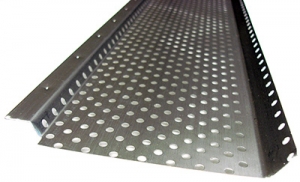
Use openings that block larger leaves while allowing water into the gutter. Smaller material may pass through depending on opening size.

Fine-Mesh / Micro-Mesh

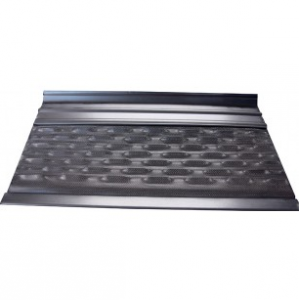
Use smaller openings and can be useful where pine needles, small seeds, or finer debris are common. The surface still needs to remain open for water flow.

Solid-Cover / Surface-Tension

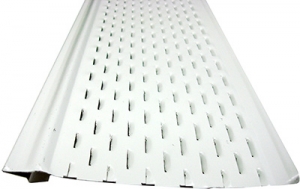
Designed so water follows the cover into the gutter while much of the debris moves past the edge. Performance depends on installation, roof conditions, runoff, and maintenance.

No category should be chosen from a brochure alone. Roof pitch, gutter size, runoff concentration, surrounding trees, and existing gutter condition all matter.

Inspect the Gutters Before Installing Guards

A gutter-guard estimate should begin with the gutter system itself.

Before recommending protection, the installer should look for sagging runs, loose attachment points, leaking corners, separation from the fascia, standing water, damaged sections, clogged downspouts, and other issues that could affect drainage. The roof edge and general runoff pattern should also be considered.

If the gutters are structurally sound and draining correctly, a protection system may be able to go over them. If they are damaged or performing poorly, repair, realignment, or replacement may make more sense first.

Clean Before You Cover

Existing gutters should be cleared before a new protection system is installed.

Leaves, mud, roof grit, seed pods, and packed organic material left inside the trough can restrict flow even after guards are added. Downspout outlets should also be checked so the newly protected system is not feeding water into a blockage that was already there.

For homeowners whose gutters are simply dirty but otherwise working well, professional gutter cleaning may be the right first service. If clogging returns quickly because of surrounding trees, guards can then be considered as the next step.

Water Flow, Roof Pitch, and Heavy Runoff

A gutter guard has to handle more than debris. It also has to work with water.

Roof pitch affects how quickly runoff reaches the eave. Roof valleys can concentrate water into a relatively small section of gutter. Long roof planes and sections below upper roofs can also create heavier flow at specific points.

That is why the guard should be evaluated as part of the entire drainage system. Gutter size, downspout layout, outlet condition, roof geometry, and areas of concentrated flow all matter.

During heavy rain, water moving faster than a guard can accept may run over the front edge. That may point to a mismatch between the roof, the protection system, gutter capacity, or concentrated runoff. The right installation is based on the actual house, not a universal promise.

Guards on New Seamless Gutters

Adding guards during new gutter installation can be practical because the entire system can be planned together.

If the home needs new gutters, the installer can address slope, downspout placement, gutter condition, and debris protection as one project. This is cleaner than installing guards on a system that is near the end of its useful life.

When Repair or Replacement Should Come First

Gutter guards are not a substitute for gutter repair.

If a section is leaking, sagging, pulling away from the fascia, holding water, or repeatedly overflowing because of poor pitch or inadequate drainage, that problem should be corrected before the gutter is covered.

Repair may be appropriate when the problem is isolated and the rest of the system is in useful condition. Replacement may make more sense when there are multiple failures, repeated patchwork, widespread deterioration, poor layout, or an older system that no longer performs reliably.

Michigan Weather: Spring, Fall, Snow, and Ice

Southeast Michigan creates several maintenance cycles. Spring brings seed pods, flowers, twigs, and debris loosened by winter weather. Summer storms can push material toward valleys and outlets. Fall brings the largest leaf load for many properties. Winter introduces freeze-thaw conditions, snow, and ice.

Guards can reduce organic debris entering a gutter, but winter performance should be discussed realistically. Snow and ice can collect on roofs, gutters, and guard surfaces. Icicles can form under the right conditions. A gutter guard does not correct attic heat loss, poor insulation, or air leakage, which are common contributors to ice dams.

Homeowners seeing repeated ice dams should treat that as a roof-and-building-envelope issue that deserves proper diagnosis, not as proof that they simply need a different leaf guard.

Periodic Inspection Still Matters

The safest expectation is reduced maintenance, not zero maintenance.

Homeowners can make useful observations from the ground after heavy rain. Look for water spilling over the gutter edge, staining on fascia or siding, unusually heavy flow from one location, sagging sections, or downspouts that do not appear to be discharging normally.

The surface of the guard may also need periodic attention depending on surrounding trees and the design installed. Avoid unnecessary ladder work. If the roofline is high, steep, wet, icy, or difficult to access, professional inspection is the sensible option.

What Affects Gutter Guard Cost?

There is no honest one-price answer without seeing the property.

Cost can vary based on linear footage, guard style and material, gutter size, roof height, roof pitch, number of stories, accessibility, corners, valleys, existing gutter condition, cleaning required before installation, and whether repair or replacement is needed first.

A straightforward estimate should explain what is being installed, whether cleaning or repairs are included, and what maintenance or warranty terms apply to the exact system being quoted. Specific warranty claims should be tied to written manufacturer and installer terms.

Our Gutter Guard Installation Process

  1. Inspect the existing gutters and roofline.We look at gutter condition, drainage issues, roof pitch, tree coverage, and the debris causing the recurring problem.
  2. Check flow and downspouts.A guard only helps if the gutter and downspout system beneath it can move water properly.
  3. Recommend the appropriate protection approach.We match the general guard style to the property instead of pretending one system is right for every roof.
  4. Clean the gutter system before installation.Existing debris should be removed so the guard is installed over a functioning drainage path.
  5. Complete needed repair or replacement first.If the gutter itself is failing, that should be corrected before covering it.
  6. Install the protection system cleanly.The goal is a secure, low-profile installation that works with the roof and gutter configuration.
  7. Review maintenance expectations.We explain what to watch for after storms and during seasonal changes so “reduced maintenance” means something concrete.
BEFORE-AFTER DEBRIS PROTECTION

Serving Washington, Clarkston, Grand Blanc, and Southeast Michigan

Discount Seamless Gutters serves homeowners across Southeast Michigan, with important market coverage centered around Washington in Macomb County, the Village of Clarkston in Oakland County, and Grand Blanc in Genesee County.

That local spread matters because tree coverage, housing stock, rooflines, and debris conditions vary across the region. The recommendation for a heavily wooded Oakland County property may differ from a newer Macomb County subdivision or a Genesee County home surrounded by mature pines.

For nearby coverage, visit our Service Areas page or contact the team to confirm service for your address.

Frequently Asked Questions About Gutter Guards

Do gutter guards eliminate gutter cleaning?

No. Gutter guards can reduce debris buildup and lower cleaning frequency, but they do not make gutters maintenance-free. Debris may collect on top of the guard or enter through openings, and the system should still be inspected periodically.

Do gutter guards work with pine needles?

Some styles are better suited to narrow debris such as pine needles than others. Fine-mesh designs may reduce the amount that gets through, but the best choice depends on the specific product, roof, gutter setup, and surrounding trees.

Can gutter guards be installed on existing gutters?

Often, yes, if the gutters are structurally sound, correctly pitched, and draining properly. Sagging, leaking, loose, or badly worn gutters should be repaired or replaced first.

Should gutters be cleaned before installation?

Yes. Existing debris and downspout blockages should be removed before guards are installed so the new system starts over a clear drainage path.

Will gutter guards stop overflow in heavy rain?

They may help when overflow is caused by debris, but they cannot correct every cause. Roof pitch, concentrated valley runoff, gutter capacity, downspout flow, installation, and guard design can all affect performance.

Do gutter guards prevent ice dams?

No. Gutter guards should not be sold as a cure for ice dams. Ice dams are strongly associated with uneven roof temperatures, snow, heat loss, insulation, and air leakage.

Can gutter guards be installed with new gutters?

Yes. Adding protection during new seamless gutter installation can make sense because the gutter layout, drainage, and guard system can be evaluated together.

What type of gutter guard is best?

There is no universal best type. Screen, fine-mesh, and solid-cover systems have different strengths and limitations. The right choice depends on debris, roof conditions, water flow, existing gutters, and the exact product available.

How much do gutter guards cost in Southeast Michigan?

Pricing depends on the length being protected, product type, roof height and accessibility, gutter condition, cleaning needs, repair work, and installation complexity. An on-site estimate is the reliable way to price the project.

How do I know whether I need cleaning, repair, replacement, or guards?

If the system is simply clogged, cleaning may solve the immediate problem. If it is leaking, sagging, or poorly pitched, repair may come first. If it is broadly failing, replacement may be smarter. Guards are best used to reduce recurring debris once the underlying drainage system is working correctly.

Get a Gutter Guard Estimate in Southeast Michigan

If recurring leaves, pine needles, and seasonal debris keep filling your gutters, gutter protection may be a practical upgrade. Discount Seamless Gutters can inspect the current system, explain whether guards make sense, identify repair or cleaning that should happen first, and help you choose a debris-protection approach that fits the property.

No “never clean again” promises. No claim that one product fixes every roof. Just a clear look at the gutter system, the debris problem, and the right next step.